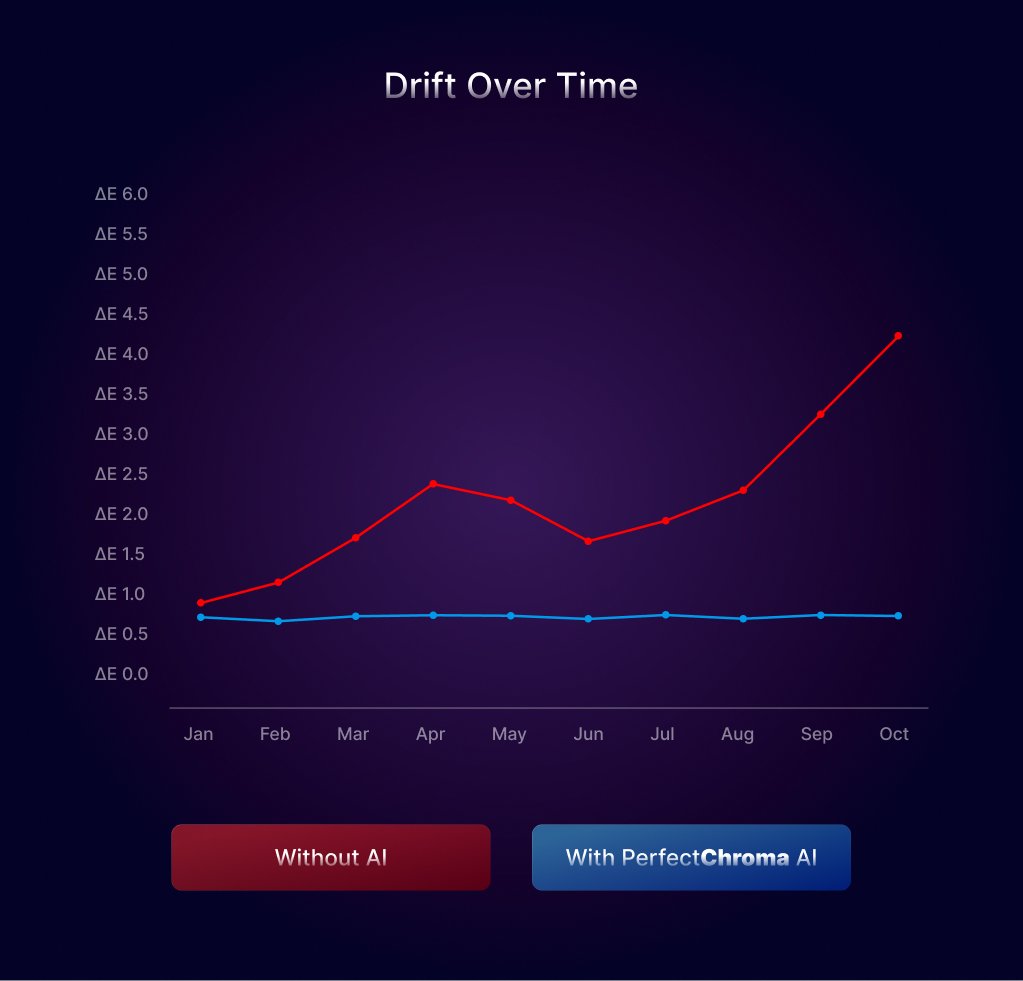
We are actively developing an AI-assisted calibration workflow for PerfectChroma. This page previews the direction we are exploring for future releases, not a feature that ships in the current app today.
The concepts, interface mockups, and automation ideas below are meant to show where PerfectChroma is heading as we research smarter calibration assistance for real-world monitor workflows.
Static calibration presets were designed for ideal labs, not changing editing environments where lighting shifts, panels age, and workflows vary by task. Our current R&D is focused on how AI-assisted calibration could reduce that manual overhead in a future PerfectChroma release.
A calibration done at 9 AM becomes inaccurate by 2 PM when sunlight shifts. Static profiles ignore this entirely.
OLED and LCD backlights degrade over time. A profile built 6 months ago no longer reflects your panel's true state.
Choosing the wrong target curve or LUT type for your panel technology introduces systematic color errors that manual testing rarely catches.
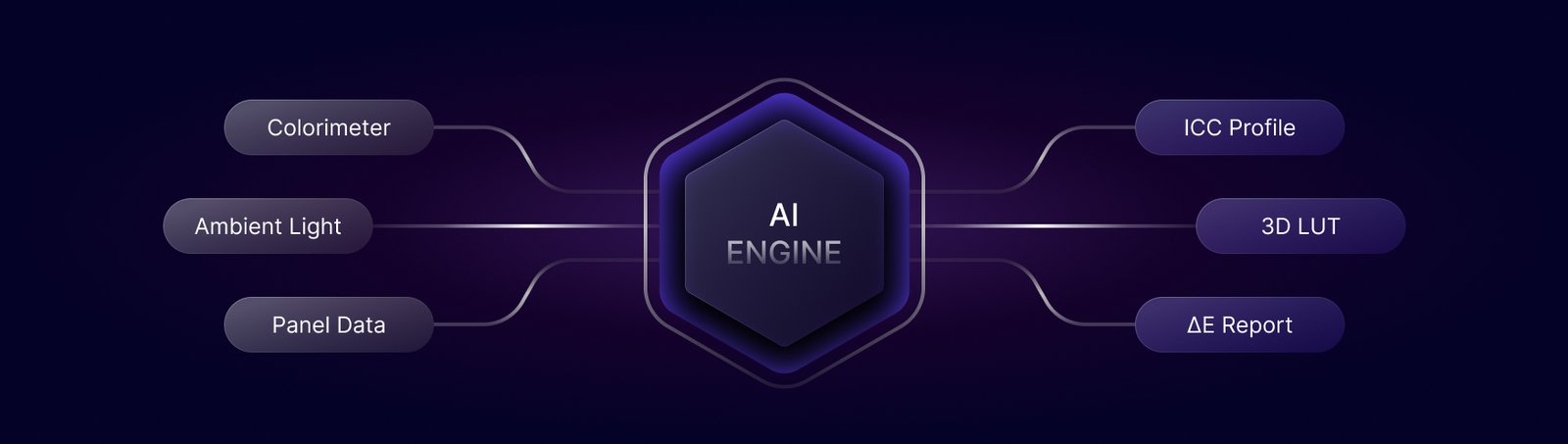
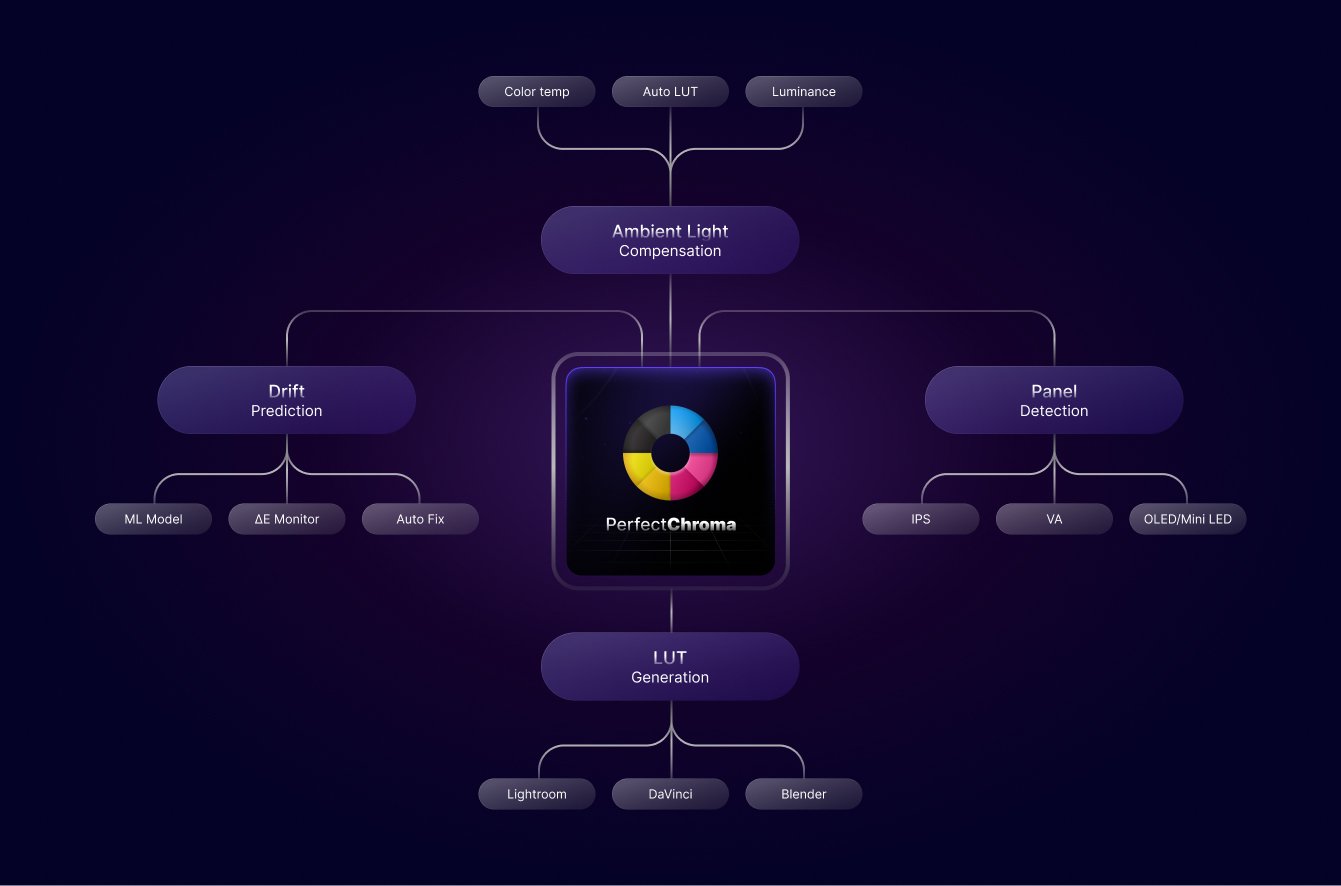
The concept we are developing aims to assist with hardware analysis, environment-aware recommendations, and smarter calibration decisions. The goal is to shorten setup time and improve consistency, while keeping the measurement process grounded in real display data.
The intention is to make calibration faster to start, easier to maintain, and clearer for users who do not want to live inside measurement menus.
The feature is being designed to reduce setup friction by proposing sensible starting targets before the user fine-tunes the actual calibration.
A good AI assistant should narrow choices for users, not replace validation. Our goal is guidance first, not blind automation.
If successful, the system could help users understand when lighting or panel drift makes a new verification pass worthwhile.
We see long-term value in AI helping users manage different panel types across multiple displays without losing track of target intent.
Our current thinking starts with the same foundation as the rest of PerfectChroma: real display measurements, established ICC profile standards, and the CIELAB perceptual model. The AI layer is being explored as an assistant on top of that measured data, not as a replacement for proper calibration methodology.
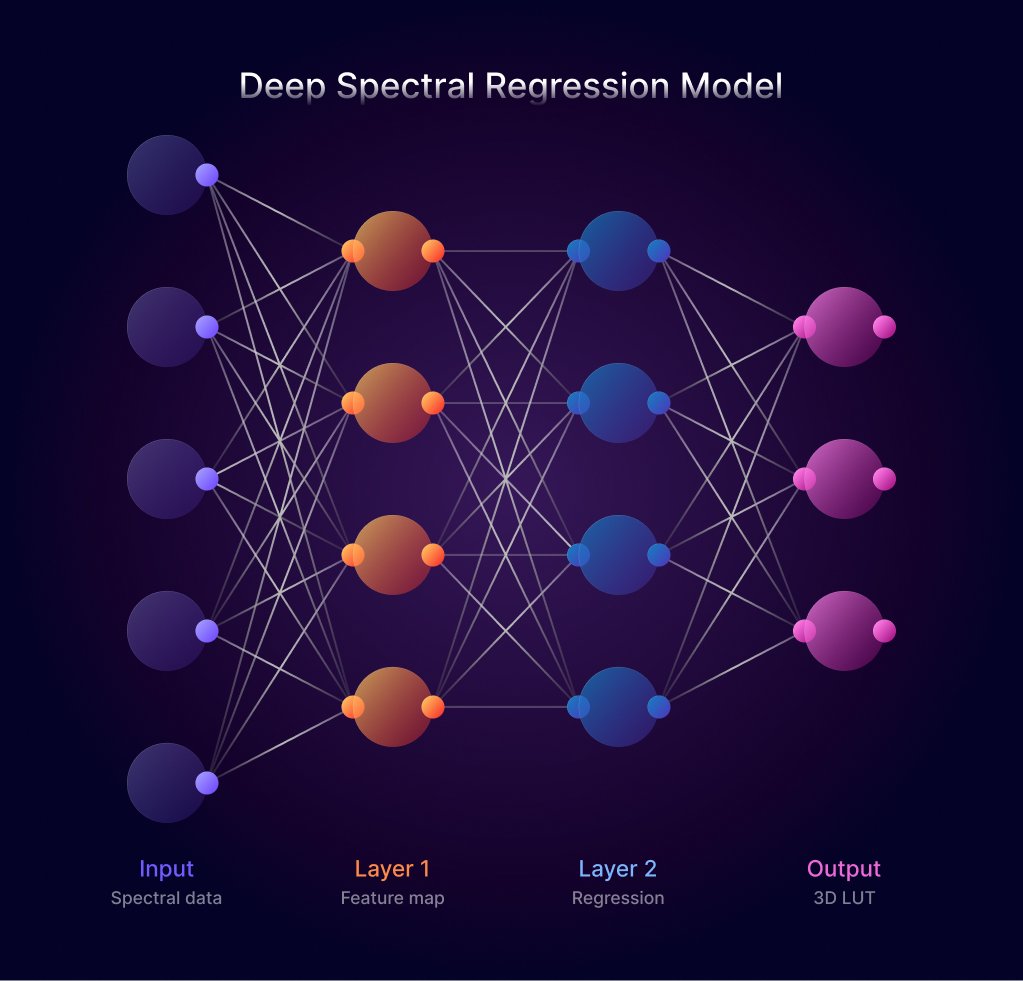
In practical terms, we are researching whether repeated panel measurements, ambient readings, and user workflow choices can help PerfectChroma recommend better targets, flag suspicious drift, and streamline future calibration sessions. The exact implementation is still being defined, and we are deliberately avoiding promises about automatic correction quality until the underlying model is proven.
The long-term objective is modest and practical: use machine learning where it reduces repetitive decision-making, while keeping core calibration results traceable, measurable, and easy to verify with the same tools professionals already trust.
For color graders working in HDR10 and Dolby Vision, small changes in luminance behavior can become expensive mistakes. That is why AI-assisted drift detection and smarter reminders are worth exploring, even if the final product starts as a guidance layer rather than a fully automatic system.
For photographers, ambient-aware suggestions could be equally valuable. Print-to-screen work often breaks down because the environment changes faster than the calibration workflow does. A future AI assistant could help users understand when their room conditions justify a new validation pass or a different target choice.
Compared with traditional one-time calibration workflows, the role we see for AI is simple: help users make better decisions between measurement sessions, while still respecting the fact that trustworthy color work depends on verification, not hype.
Common questions about the concept, the development direction, and how we plan to keep the feature grounded in measurable calibration practice.
PerfectChroma's AI-assisted calibration workflow is still in development. Explore the features already available today while we continue building this next layer carefully.